
The Rise and Cost of Horse Racing
A Moveable FeastThis flow follows racing from shared pleasure into solitary obsession, then to Hemingway’s decision to stop gambling.
increasing Bearing strength in each event
 decreasing
Bearing strength in each eventdecreasingA Spring Day at Enghien
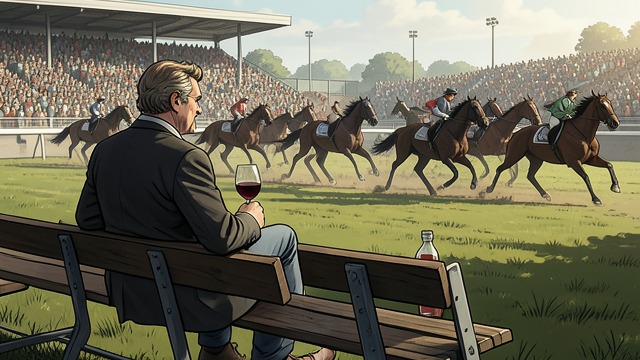
A Spring Day at Enghien
A Modest Gamble
Ernest Hemingway and Hadley Richardson take lunch and wine to the track, hoping to spend little and perhaps win. The races make an inexpensive day feel ceremonial and alive.
Shared Excitement
They watch the horses closely and react to each close finish together. For a while racing is a shared pleasure rather than a private system of risk.
A Sudden Prize
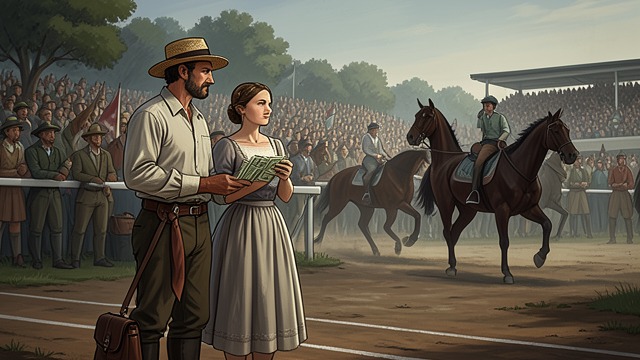
A Sudden Prize
Winning Against Expectation
Two horses advised by an acquaintance win at generous odds. The payout represents substantial money to the young household.
The Lure of Capital
Hemingway divides the winnings into spending money and a separate racing fund. That private reserve marks the beginning of a more organized attachment to betting.
Handicapping Takes Over
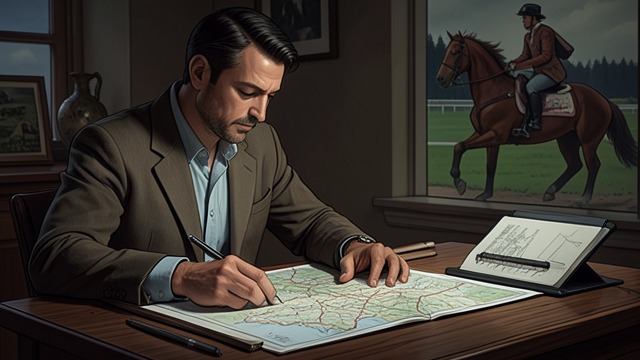
Handicapping Takes Over
The Track as a Job
Ernest Hemingway studies form, odds, training, riders, and stable intentions at Auteuil and Enghien. Following the horses begins to demand the time and attention of full-time employment.
Knowledge Without Profit
He finds that careful analysis does not reliably produce money. The activity draws him deeper even as its economics fail to justify the hours it consumes.
The Cost to Writing
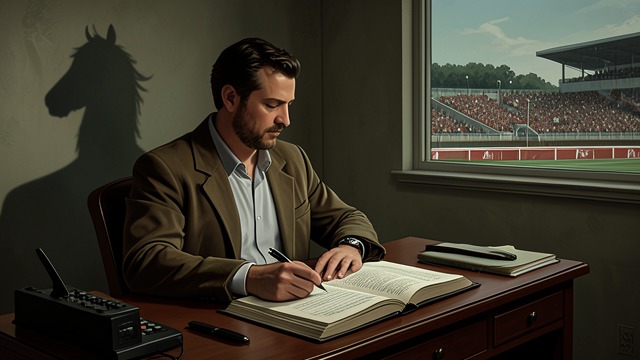
The Cost to Writing
Competing Claims
Racing becomes a demanding companion, beautiful and exciting but increasingly difficult to separate from work. Hemingway recognizes that making it profitable would require more time than he can give.
A Divided Practice
He tries to justify the obsession by writing about racing, yet the work and gambling pull against one another. The tension exposes the difference between observing a subject and being captured by it.
Leaving the Track
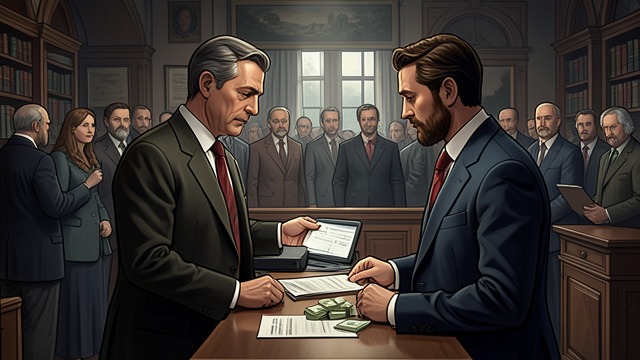
Leaving the Track
Closing the Account
Ernest Hemingway deposits his racing capital and tells his friend Mike Ward that he has stopped. He does not immediately erase the reserve from his own mind, but he restores it to general funds.
An Empty Space
The decision brings relief and leaves a vacancy. Hemingway learns that a good activity’s absence can only be filled by finding something better, not merely by waiting.
during a spring outing with Hadley Richardson
later in the same spring meeting
during later racing seasons in Paris
as Hemingway’s racing involvement deepens
on the day Hemingway ends his racing routine
